AIM: independents are the ‘economic canary’ — what artists should do now
AIM says UK indie music is an early-warning sign for the sector, citing chart falls, customs costs and AI risks; practical steps for indie artists and small teams.
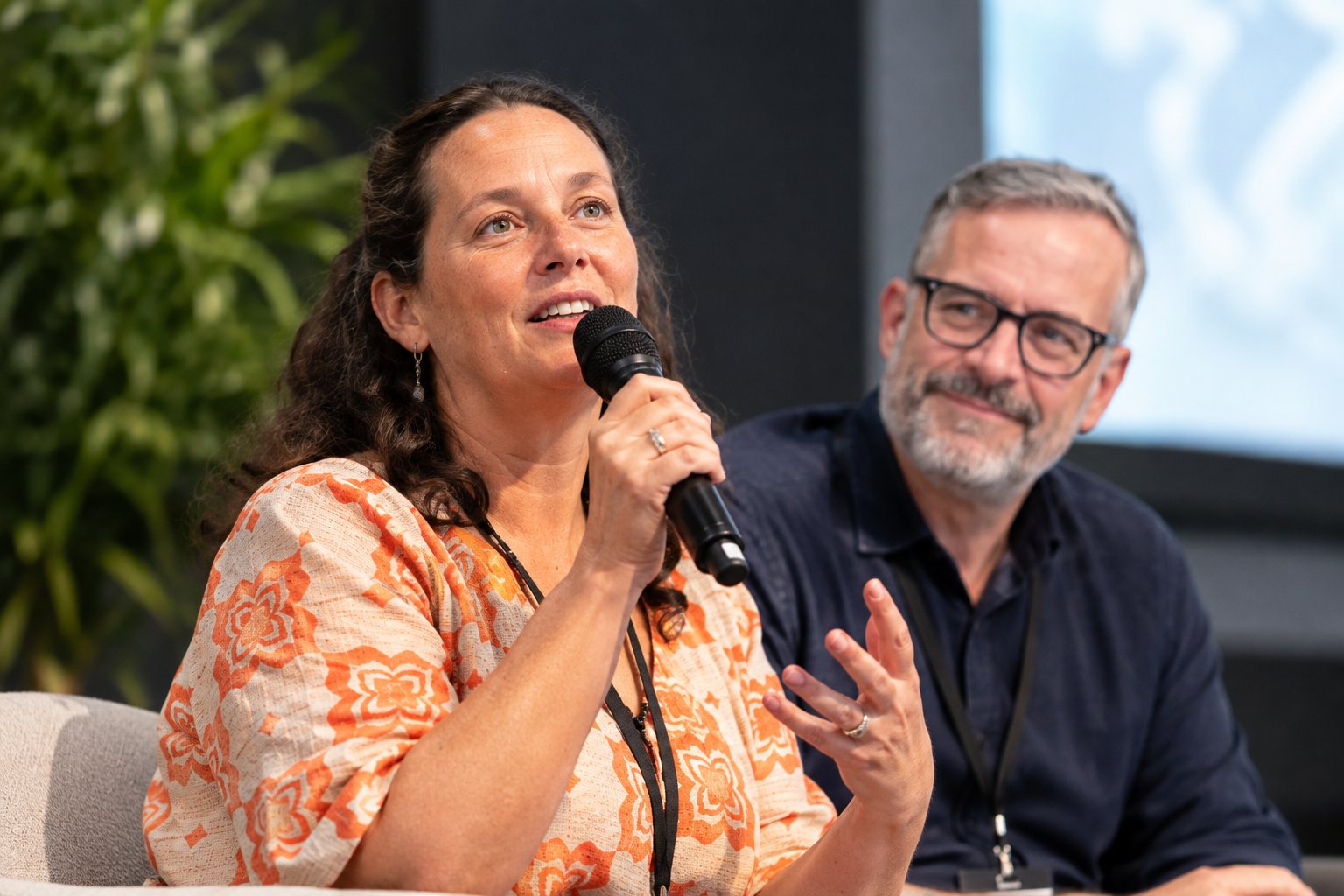
What changed: At AIM Connected in London on 10 September 2026, AIM CEO Gee Davy argued that “independent music is the economic canary in the coalmine for the entire UK music industry” and called for “an urgent, evidence-led investigation of the economics of recording and releasing music” (AIM / Record of the Day, speech published 11 September 2026; source, checked 2026-09-12).
Key figures cited by AIM: “Only three years ago, British artists occupied more than a third of the places across the global Top 10 singles and albums charts. In the latest published rankings, that number fell to zero” (Record of the Day, checked 2026-09-12). AIM also flagged the removal of the €150 de‑minimis exemption and a flat €3 customs fee per product type for EU sales (Record of the Day, checked 2026-09-12), and said direct-to-consumer physical sales are “helping drive physical revenues over £250 million this year” (Record of the Day, checked 2026-09-12).
Who it affects: UK independent artists, small labels, D2C fulfilment and anyone selling physical goods into the EU, plus creators worried about unlicensed AI use.
What to do differently: 1) Audit international fulfilment costs and price bundles to avoid per-item €3 charges; 2) Track and publish your own economics to feed AIM’s evidence calls; 3) Add clear IP/AI consent language to contracts and insist on licensing clauses; 4) Prioritise bookings and remote-recording plans if local studios look at closure risks.
What to do next: read AIM’s speech and share your cost data with them (AIM / Record of the Day speech, link, checked 2026-09-12), then adjust D2C pricing and contracts this month.
Source
musically.comA number here out of date? Tell us and we will re-check it against the source.